
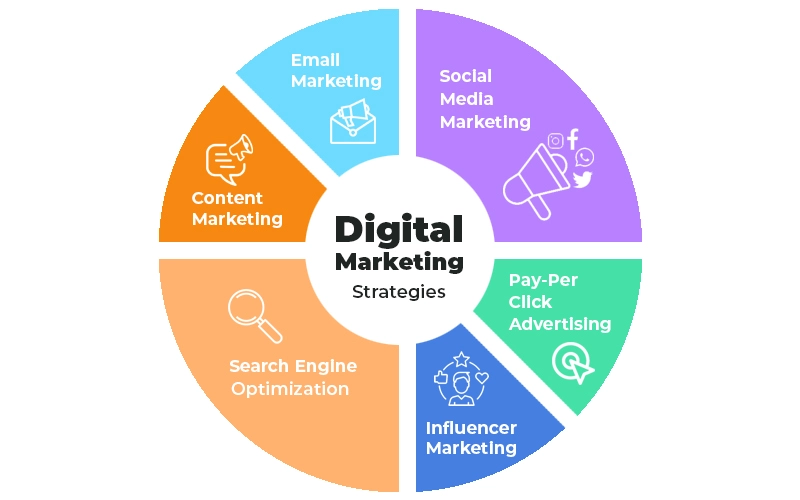

In today’s fast-paced digital world, having a strong online presence is no longer optional it’s essential. Consumers rely heavily on the internet to discover brands, compare products, read reviews, and make purchasing decisions. This shift has made digital marketing one of the most powerful tools for business growth. However, simply being online isn’t enough. Success depends on using the right digital marketing strategies, applied consistently and intelligently.
This blog explores the most effective digital marketing strategies businesses can use to build visibility, attract the right audience, and drive long-term growth.
What Is Digital Marketing?
Digital marketing refers to promoting products or services through online channels such as search engines, websites, social media platforms, email, and paid advertising. Unlike traditional marketing, digital marketing allows businesses to target specific audiences, track performance in real time, and optimize campaigns based on data.
The biggest advantage of digital marketing is its ability to connect businesses directly with their ideal customers at the right time and on the right platform.
Why Digital Marketing Strategies Matter
Without a clear strategy, digital marketing efforts often become scattered and ineffective. A well-planned digital marketing strategy helps businesses:
• Reach the right audience
• Build brand credibility and trust
• Generate quality leads
• Increase conversions and sales
• Measure performance accurately
• Achieve sustainable growth
Now, let’s explore the core digital marketing strategies that deliver real results.
1. Search Engine Optimization (SEO)
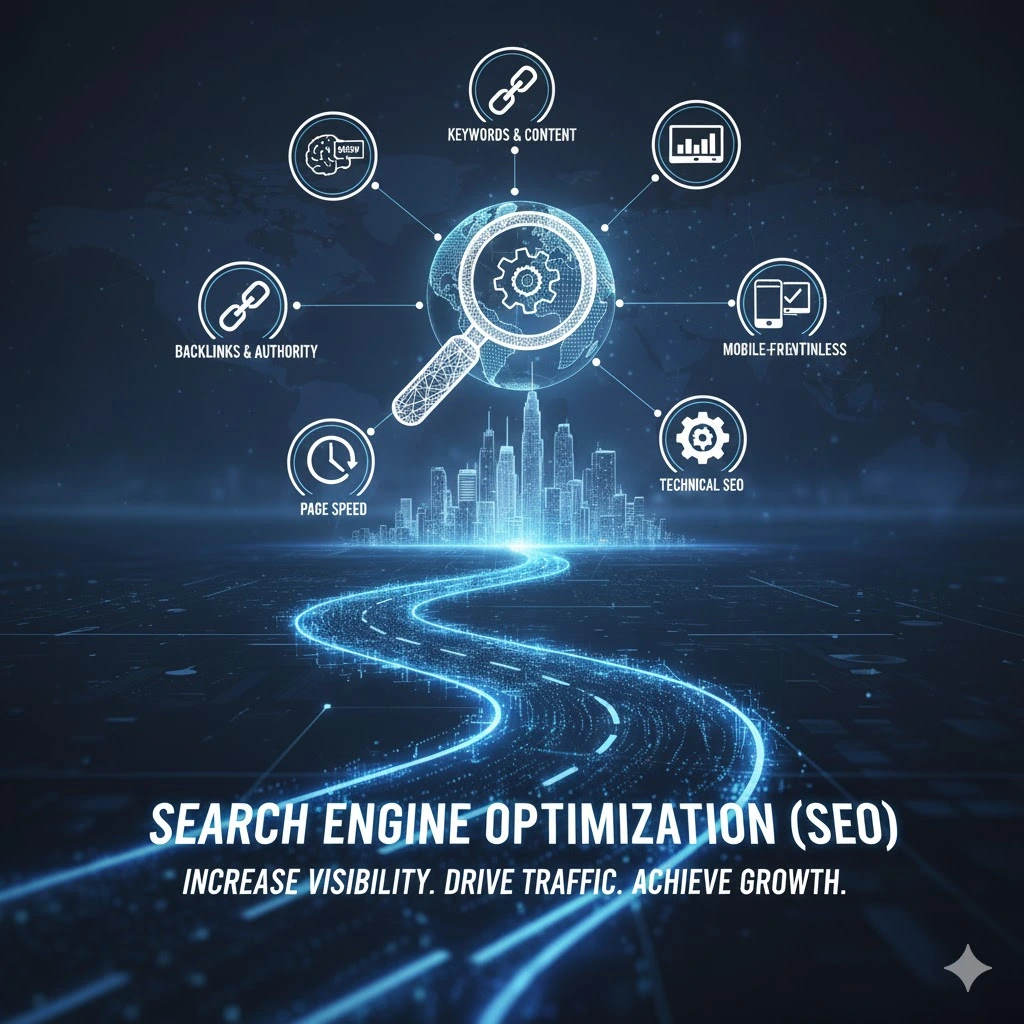
Search Engine Optimization (SEO) is one of the most important digital marketing strategies. SEO focuses on improving a website’s visibility on search engines like Google. When users search for products or services related to your business, SEO helps your website appear at the top of search results.
Key Elements of SEO:
• Keyword Research: Identifying search terms your target audience uses
• On-Page Optimization: Optimizing content, headings, meta descriptions, and URLs
• Technical SEO: Improving site speed, mobile responsiveness, and crawlability
• Link Building: Earning high-quality backlinks from trusted websites
SEO is a long-term strategy, but it delivers consistent and cost-effective traffic once established.
2. Content Marketing
Content marketing is the backbone of digital marketing. It involves creating valuable, relevant, and engaging content to attract and retain your audience. Instead of directly selling, content marketing educates and builds trust.
Common Types of Content:
• Blog posts
• Articles
• Videos
• Infographics
• E-books and guides
• Case studies
High-quality content positions your brand as an authority in your industry while supporting other strategies like SEO and social media marketing.
3. Social Media Marketing
Social media platforms have become essential for brand awareness and customer engagement. Platforms like Instagram, Facebook, LinkedIn, X (Twitter), and TikTok allow businesses to connect directly with their audience.
Benefits of Social Media Marketing:
• Builds brand identity
• Encourages customer interaction
• Drives website traffic
• Increases brand loyalty
• Supports paid advertising campaigns
A successful social media strategy requires consistency, creativity, and an understanding of platform-specific trends and audiences.
4. Pay-Per-Click Advertising (PPC)

Pay-per-click (PPC) advertising allows businesses to reach their target audience instantly. With PPC, advertisers pay only when a user clicks on their ad. Popular platforms include Google Ads and social media ad networks.
Advantages of PPC:
• Immediate visibility
• Highly targeted audience reach
• Flexible budgeting
• Measurable results
When managed correctly, PPC campaigns can generate high-quality leads and deliver an excellent return on investment.
5. Email Marketing
Email marketing remains one of the most effective digital marketing strategies. It allows businesses to communicate directly with customers and prospects through personalized messages.
Common Email Campaign Types:
• Welcome emails
• Promotional emails
• Newsletters
• Product updates
• Abandoned cart reminders
Email marketing helps nurture leads, retain customers, and drive repeat sales—especially when combined with automation and personalization.
6. Influencer Marketing
Influencer marketing leverages the credibility and reach of individuals who have established trust with a specific audience. Influencers help promote brands in a more authentic and relatable way.
Why Influencer Marketing Works:
• Builds trust faster than traditional ads
• Reaches niche audiences
• Boosts brand awareness
• Increases engagement
The key is choosing influencers who align with your brand values and target market.
7. Conversion Rate Optimization (CRO)
Driving traffic is only half the battle. Conversion Rate Optimization focuses on turning website visitors into customers. CRO involves analyzing user behavior and optimizing website elements to improve conversions.
CRO Techniques Include:
• Improving website design and user experience
• A/B testing landing pages
• Optimizing call-to-action buttons
• Simplifying forms and checkout processes
Small improvements in conversion rates can lead to significant revenue growth.
8. Data Analytics and Performance Tracking
One of the greatest strengths of digital marketing is measurability. Data analytics allows businesses to track performance, understand user behavior, and make informed decisions.
Key Metrics to Track:
• Website traffic
• Conversion rates
• Cost per lead
• Engagement rates
• Return on investment (ROI)
Using tools like Google Analytics and marketing dashboards ensures your strategies remain effective and adaptable.
9. Omnichannel Marketing Approach
An omnichannel strategy ensures a seamless customer experience across all digital touchpoints website, social media, email, search engines, and ads. Consistent messaging across platforms builds trust and strengthens brand identity.
Customers today expect brands to be present wherever they are. An integrated approach ensures better engagement and higher conversions.
Future Trends in Digital Marketing
Digital marketing continues to evolve. Some emerging trends include:
• Artificial intelligence and automation
• Voice search optimization
• Personalized marketing experiences
• Short-form video content
• Data privacy and ethical marketing
Staying updated with these trends helps businesses remain competitive in an ever-changing digital landscape.
Conclusion
Digital marketing strategies are the foundation of modern business success. From SEO and content marketing to social media, paid ads, and analytics, each strategy plays a vital role in building visibility and driving growth.
The key to success lies in understanding your audience, setting clear goals, and using a data-driven approach. When implemented correctly, digital marketing doesn’t just attract customers—it builds long-term relationships and sustainable business growth.
For more updates and info